All you need to know about target audience analysis
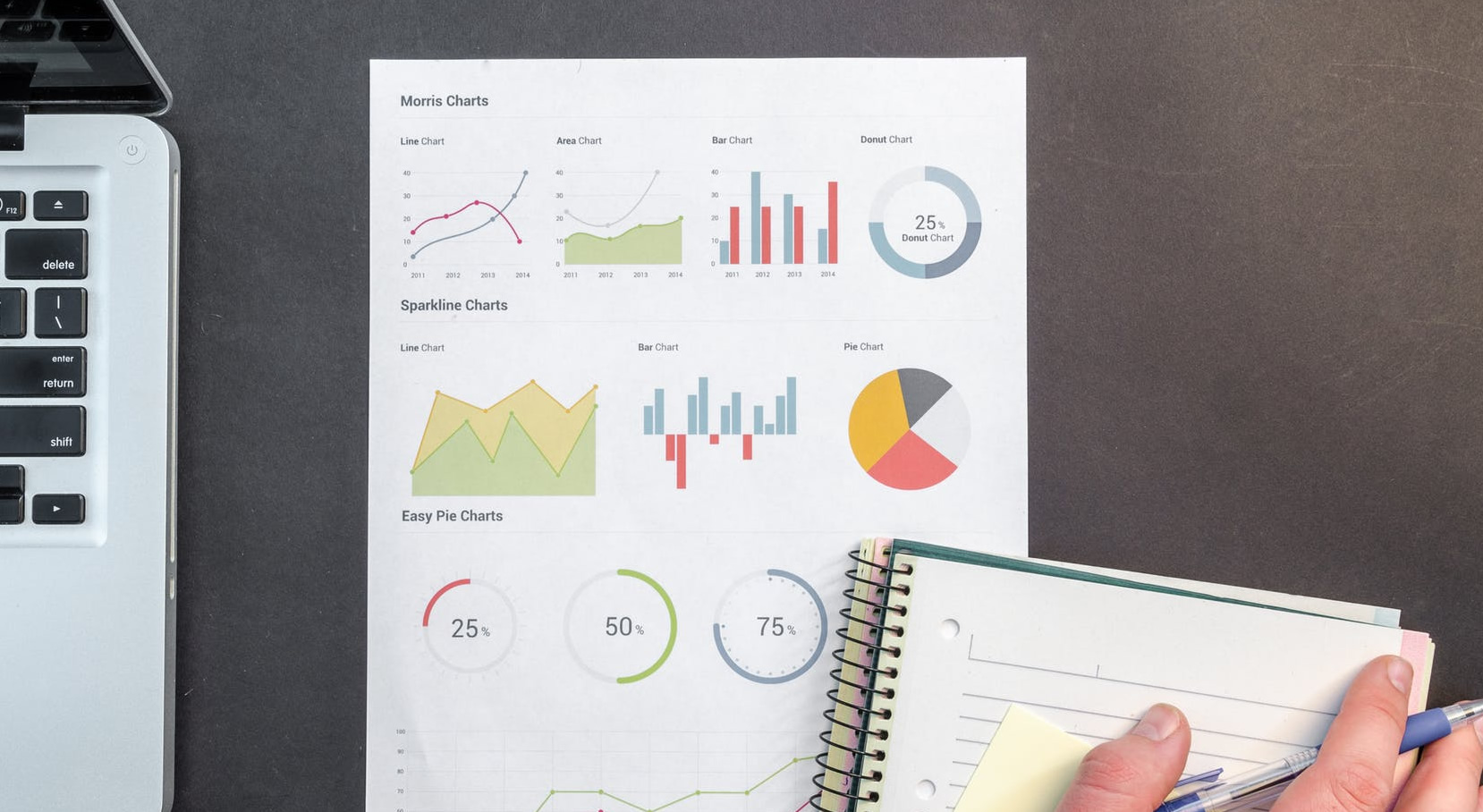
All marketing strategies need to incorporate audience analysis to provide a more detailed view of the target audience. Brands want to engage with the right people, and achieving this can require minor changes to your segmentation strategy. Let’s take a look into what audience analysis is.
Audience Analysis
It involves the research of certain metrics with a group such as demographics, interests or location. These metrics are then analysed deeply to provide insights into your target buyer personas. In the past, doing this type of analysis was extremely time consuming, and given the fast-paced society we operate in today, these methods no longer work. Thanks to digital technology, leveraging and utilising data and analytics lets us be more efficient with our analysis. There are now plenty of analytics software tools available that are easy to use and speed up the process of data analysis.
Reasons to analyse your audience
Each stage of the buyers journey requires different messaging and content. To get this right you need a thorough understanding of your audience and their needs. Where do you reach them? What content do they need? How much budget should we allocate? You need to leverage data in order to answer these questions effectively. Here are three reasons you should analyse your audience:
- Reduce costs: marketing campaigns are evolving to be more frequent and niche to serve the specific needs of their audience. To do this effectively you need to know your audience and tweak your strategy accordingly to be more cost efficient. Using quality data analysis to be more efficient can help to reduce overall spend on your marketing campaigns.
- Beat the competition: Mass advertising will inevitably result in less leads and also allowing your competitors to engage with your potential customers. Through audience analysis you’ll be b able to target users with more personalised messaging.
- Keep users engaged: Marketers need to understand their customers so they can reach them through their preferred channels and with content they’re interested in.
Known vs. Unknown audiences
There are many ways to target and segment your audience and you need to determine what will work best for your company. Understanding the difference between a known and unknown audience can help with this process and ensure you collect and use the right data.
Known audiences are those who you have had existing contact with. They could have downloaded some of your content, attended one of your webinars or engaged with one of your emails.
An unknown audience are those who you don’t have an identifier for. They may align with your current audience however they don’t know about you, your products or your services.
Where to get your data from
Digital methods have revolutionised the way you can collect and store data. With so many options, which one is best for you?
- Google Analytics and In-Market Segments: In-market audiences will display those who are searching for and comparing your products with others in the market. These are users who may be interested in your products and services for a certain period of time.
- Affinities: Affinity audiences dive very deep into your audiences data to look at things such as habits, lifestyle and interests. These detailed metrics provide a thorough analysis of individuals which can help companies understand the types of products and solutions they’d be interested in.
- Facebook: Facebook enables you to understand the audience of certain Facebook pages. Through page likes and other data you can look through demographics and other available information to understand who your Facebook audience actually is.
- Instagram: an Instagram business account will enable you to leverage data such as likes, comments, and profile visits.
Final Thoughts
In an age where consumers are advertised to through multiple channels, getting cut-through is increasingly difficult. As a result, brands need to perform detailed audience analysis and segmentation to ensure they understand the needs and challenges of their target audience. This increases the likelihood of pushing the right message through the right channels at the right time.